Visualizzazione post con etichetta reviews. Mostra tutti i post

venerdì 5 giugno 2015

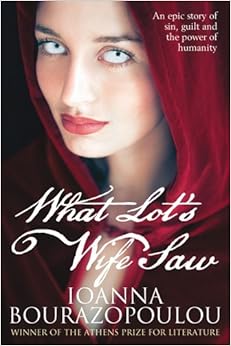
Review: What Lot’s Wife Saw by Ioanna Bourazopoulou


What Lot's Wife Saw, Ioanna Bourazopoulou
Black and White Publishing
384 pages, £ 11.99 
What Lot’s Wife Saw è il primo romanzo tradotto in inglese della scrittrice greca vincitrice dell’Athens Prize for Literature 2008, Ioanna Bourazopoulou, che in patria ha già pubblicato altri cinque libri. Sebbene sia stato classificato come fantasy, il romanzo racchiude in sé elementi tipici del genere distopico, di quello d’avventura e della detective story (nonostante il protagonista non sia un vero e proprio investigatore), non disdegnando la satira politica e la componente sentimentale.

Sono passati 20 anni da quando si è aperta una faglia che ha rivelato l’esistenza di uno strano sale viola, un prodotto molto richiesto e ben pagato sul mercato. L’Europa è stata semisommersa dal Mar Mediterraneo e la popolazione si è rifugiata nei pressi del Mar Morto, dove lavora nelle saline. C’è una misteriosa società che si occupa della distribuzione del sale, la cosiddetta Settantacinque, ben più potente del governo e rinomata per esser riuscita a creare posti di lavoro per gli sfollati e a rimettere in moto l’economia. La Settantacinque è composta da persone che cercano di sfuggire al proprio passato, decise a scoprire chi ha ucciso il Governatore, morto in circostanze misteriose, con l’aiuto del compilatore di rebus del Times Phileas Book, il quale dovrà non solo risolvere il delitto, ma anche affrontare i fantasmi del suo passato.

Il romanzo è un viaggio alla scoperta della duplicità dell’animo umano: ogni personaggio è combattuto tra il passato e il presente. Molti sono assassini, criminali e ladri che nelle colonie conducono una mansueta esistenza da sottomessi, impauriti dalla possibilità di essere banditi, seppur tentati dalle vecchie abitudini. Inoltre, è facile identificarsi col protagonista, Phileas, appassionato di cruciverba e uomo che ne ha passate tante, a partire dalla morte dei genitori. Gli altri personaggi ci vengono presentati attraverso le lettere che Phileas studia per trovare il colpevole dell’assassinio, come se dovesse occuparsi del puzzle più complicato esistente al mondo, ossia l’Epistleword. Vengono affrontati, tra gli altri, temi scomodi quali il grande potere che la religione e le multinazionali hanno sulle persone e sui governi, una critica non troppo velata alla cattiva gestione di un paese come la Grecia, messo in ginocchio da una crisi dirompente che non si è potuta arginare.

Ho apprezzato molto la struttura epistolare del romanzo, ma credo che lo stile delle lettere sia troppo piatto e monotono e che confonda il lettore riguardo all’identità dei sospettati. Nonostante la descrizione del modo in cui i sospettati decidono di bruciare il corpo del Governatore sia davvero raccapricciante e fin troppo realistica – il paragone con Lovercraft è immediato –, le altre risultano alquanto scarne. Ho dovuto interrompere la lettura diverse volte a causa della pesantezza di alcune parti, forse proprio a causa dello stile molto descrittivo ma, tirando le somme, non si tratta di una cattiva lettura e credo che gli elementi negativi riscontrati possano dipendere dalla traduzione. Spesso l’esperienza di lettura risulta meno appagante quando non si è in grado di leggere il testo in lingua originale. Un po’ come leggere la Divina commedia in inglese o in francese: vanno via le rime, gli endecasillabi ben studiati, va via tutto il colore.


Voto: 


What Lot's Wife Saw, Ioanna Bourazopoulou
Black and White Publishing
384 pages, £ 11.99 
What Lot's Wife Saw is the first novel by Greek author and Athens Prize for Literature 2008 winner Ioanna Bourazopoulou translated into English, although it is the fifth of her literary production. Despite of being classified as a fantasy, the book mix up dystopian, adventure and detective stories - although the main character is not a real detective - typical elements, without leaving out a touch of political satire and romance.
Twenty years have passed since a fault line rifted, revealing the existence of a strange purple salt, a product well-paid on market. Europe has been swamped by the Mediterranean Sea and the population has taken refuge on the Dead Sea, working in the salt mines. There is a mysterious company that deals with the distribution of the salt, the so-called Seventy-five, far more powerful than the government. The Seventy-five is made up by people which are trying to escape their past and to discover who killed the Governor, who died in mysterious circumstances. The company works on the case with the help of The Time’s rebus compiler Phileas Book, which will not only solve the crime, but also face the ghosts from his past.

The novel is a journey into the duplicity of the human soul. Each character is torn between past and present. Many of them are murderers, criminals and thieves, who are living a subdued and meek life in the colonies, frightened by the possibility of being banned, although tempted by old habits. Furthermore, it’s easy to identify with the crossword enthusiast Phileas who has been through a lot, starting from his parents death. The other characters are introduced through the letters that Phileas studies to find the murderer, as if he is dealing with the most complicated puzzle in the world, namely the Epistleword. Uncomfortable topics such as the great power that religion and multinational companies have on people and governments are well showed - a not very concealed critique of the Greece mismanagement, crippled by an economic collapse that the Government wasn’t able to stem.


I really enjoyed the epistolary structure of the novel, but the letters are very similar in style and repetitive, confusing the reader about the identity of the suspects. Although the description of the way in which the suspects decide to burn the body of the Governor is really creepy and all too realistic - Lovecraft style -, the others were too essential. I had to stop reading many times because I found some parts a bit heavy, perhaps because of the descriptions – I have to admit I don’t like very much this kind of representation. Summing up, it's not a bad read and I believe that maybe some of the things I didn’t about the writing stile may be ascribed to the translation. You often lose a lot in the reading experience if you aren’t able to read a book in its original language. It is like reading Dante in English or in French: without the vernacular rhymes and hendecasyllables all the color is lost.


mercoledì 3 dicembre 2014

Review of: Tiny Acts of Love by Lucy Lawrie


Tornano gli appuntamenti con le recensioni della casa editrice scozzese Black&Wihite, per chi avesse l'abitudine di leggere libri in inglese inediti in Italia


Tiny Acts ofLove, Lucy Lawrie
Black and White Publishing
pages 312 , £7.99
Cassie è una frustrata neomamma appena tornata dall’ospedale, che non riesce a riposare e adattarsi alla nuova vita. Senza contare che Jonathan, suo marito, in un impeto di felicità, ha inviato la notizia della nascita della piccola Sophie a tutta la mailing list di Cassie, compreso il suo capo. Le cose si complicano quando, nel tentativo di rimediare alla figuraccia, la donna accetta di occuparsi di un importante cliente durante il suo congedo di maternità. Come se non bastassero la bambina e il marito sonnambulo a tenerla sveglia la notte, Cassie è anche costretta anche fare i conti con il ritorno in città di un ex determinato a riconquistarla, e con quello che ha tutta l’aria di essere uno stalker. Senza contare la causa per frode in cui si troverà coinvolta.

Era dai tempi in cui ho lasciato inconclusa la saga di I love shopping di Sophie Kinsella (mi manca ancora l’ultimo volume) che non leggevo nulla di così esilarante. La forza di questo romanzo sta nel riuscire a raccontare in modo onesto la quotidianità di chi si ritrova improvvisamente madre, con gli alti e bassi, la difficoltà di mantenere il proprio lavoro, la mancanza di sonno e i sacrifici per una creatura che ancora non conosce il mondo. Ho trovato la storia davvero insolita e divertente, a tratti persino toccante, bilanciata alla perfezione da una scrittura semplice e incisiva. Complici altri impegni, non sono riuscita a finire il libro in pochi giorni, ma la sua struttura – 38 capitoli brevi e scorrevoli – permette davvero di divorarlo. Nonostante la tipica copertina da chick-lit, Tiny Acts of Love (Piccoli gesti d’affetto, in italiano) è molto più che un semplice romanzo al femminile: è una cronaca realistica della vita di un neogenitore, con i suoi momenti di sconforto e le difficoltà relazionali che essa comporta. Ho avuto alcune difficoltà con certe espressioni scozzesi a me sconosciute, ma grazie al contesto e al mio dizionario monolingua sono riuscita a superarle senza problemi.

Credo che quello di Lucy Lawrie sia un ottimo esordio letterario, ben diverso dai romanzi che trattano lo stesso argomento con il solito falso buonismo. Mi piacerebbe leggere altro di questa scrittrice e, vista la sua professione di avvocato, vorrei vederla cimentarsi con un giallo. Se siete in cerca di un libro fresco e genuino, che accompagni piacevolmente la vostra estate e al contempo contribuisca ad affinare il vostro inglese, vi consiglio vivamente questo romanzo. Saprà conquistarvi.


Cassie is a frustrated new mum, back home from the hospital, who can’t sleep and fit with her new life. Not to mention her husband overstated reaction to Sophie’s birth: Jonathan has sent all Cassie’s mailing list the news about the newborn, also to her chief. Things go from bad to worse when she tries to rebuild her reputation dealing with a special client during her maternity leave. She’s sleepless because of her baby and her sleep-walker husband – but also because her ex-boyfriend is back in town trying to reconquer her and she thinks she’s follow by a stalker. Cassie has enough to worry about, last but not least her involvement in a fraud case.

I haven’t read something so funny since I unfinished to read Sophie Kinsella’s I love shopping saga – I only have one book left. This novel describes the everyday life of a sleepless mother, how it’s difficult to hold down a job in this situation. The story is very funny, unusual, and touching, perfectly balanced to a simple and sharp writing. I couldn’t read it in a few days because of my studies, but it’s easy to gulp down with his short and flowing 38 chapters. Despite her chick-lit cover, Tiny Act of Love is more than just a girly book: it’s a real report on new parent life where depression and social difficulties are allowed. I had a few problems with some Scottish verbal phrase, but nothing the context or a good monolingual dictionary can’t fix.

Lucy Lawrie wrote a great debut novel, different to the million books dealing with the same subject to please. I want to read more from this author, maybe a detective story considering she is a lawyer. If you want to read something genuine and cool in this hot summer, paying attention on your English skills, please take this book in consideration. It will win you.


mercoledì 12 novembre 2014

Recensione: "Non dirmi che hai paura" di Giuseppe Catozzella


Non dirmi che hai paura
Giuseppe Catozzella
Feltrinelli
240 pagine
15,00 €
La storia raccontata da Catozzella sviscera in maniera interessante un racconto di vita che ha come protagonista l'atleta somala Samia Yusuf Omar, che ha partecipato ai Giochi Olimpici del 2008 a Pechino. Una ragazza nata per correre, fatta per gareggiare, il cui destino però è quello atroce del viaggio della speranza, come tanti che, abbagliati dalla possibilità di una nuova vita lontana dalla guerra, si imbarcano su relitti fatiscenti e sovraffollati alla volta dell’Italia.
Quella di Samia è una storia simbolica che dà un volto e un nome ad una tragedia che investe milioni di persone, la volontà di rifugio e la paura della guerra. Il tutto traspare dalla sua voce, che narra la vita dall’infanzia fino all’ultimo viaggio, tra amicizie, allenamenti furtivi e sogni di riscatto che sembrano avverarsi quando la sua perseveranza le permette di arrivare alle Olimpiadi e di diventare un simbolo per le donne mussulmane, nonostante l’ultimo posto.
I personaggi sono ben caratterizzati dal punto di vista psicologico, soprattutto Samia e Ali, il suo migliore amico, o aboowe, fratello. I dialoghi sono abbastanza realistici, soprattutto quando Samia parla con le persone che come lei vogliono raggiungere l’Europa e che gli raccontano gli orrori perpetuati dai trafficanti. Ad avermi scossa è stata la piccola parentesi dedicata ad un incontro con Taliya, quando Samia arriva a Tripoli. La donna racconta che i trafficanti richiedono un’ingente somma per il viaggio in mare: chi non può permettersela, se uomo è riaccompagnato al confine, se donna è costretta a lasciarsi stuprare finché i trafficanti non ritengono abbia saldato il biglietto. Devo dire di essere rimasta abbastanza di stucco quando ho letto la fine, perché l’autore rovescia la medaglia facendoci credere nel lieto fine.

Lo stile di Catozzella è semplice e scorrevole, forse in alcune parti un po’ troppo frammentario e ripetitivo. Ad ogni modo, la lettura risultata più coinvolgente soprattutto dal momento in cui Samia intraprende il Viaggio: lì diventa quasi un reportage, con tanto di “interviste” alle persone che di volta in volta la protagonista si trova accanto. La narrazione lascia il posto alla testimonianza, rinforzando la veridicità della storia. Libertà, uguaglianza, fraternità sono le parole che più hanno peso all’interno del libro, non inserite a caso e soprattutto profondamente significative. Libertà per Samia significa possibilità di riscatto laddove in realtà è vittima delle decisioni degli scafisti; uguaglianza è invece condividere lo stesso destino, vivere in attesa dell’arrivo a destinazione stipata in un container con duecentoventi persone, pregando e condividendo la paura; fraternità è ciò che la lega ad Ali, il suo migliore amico, ma anche a tutte quelle persone che le lasciano testimonianza di ciò che hanno vissuto.
Samia Yusuf Omar
alle Olimpiadi di Pechino 2008
Questo libro lascia l’amaro in bocca e fa commuovere, anche se penso che la storia prevalga sullo stile. Mi compiaccio che sia stato nominato vincitore del Premio Strega Giovani dagli stessi ragazzi, perché ritengo che sia importante che questi vengano a contatto con questo tipo di testimonianza, ben lontana dalle storie che spesso vengono imposte alla lettura nel corso degli anni della scuola secondaria. L’appello è quello di lasciare che i giovani si avvicinino a questo tipo di letteratura che, seppure imperfetta, può dare loro spunto di riflessione e spingerli a documentarsi maggiormente sull’attualità, ritrovando una sensibilità per l’altro che, complici le normative vigenti, sembra essersi del tutto esaurita.


Voto: 

giovedì 17 ottobre 2013

Review: Grave Mercy (His Fair Assassin #1) by Robin L. LaFevers


Grave Mercy - Robin L. LaFevers
Why be the sheep, when you can be the wolf?
Seventeen-year-old Ismae escapes from the brutality of an arranged marriage into the sanctuary of the convent of St. Mortain, where the sisters still serve the gods of old. Here she learns that the god of Death Himself has blessed her with dangerous gifts—and a violent destiny. If she chooses to stay at the convent, she will be trained as an assassin and serve as a handmaiden to Death. To claim her new life, she must destroy the lives of others.
Ismae’s most important assignment takes her straight into the high court of Brittany—where she finds herself woefully under prepared—not only for the deadly games of intrigue and treason, but for the impossible choices she must make. For how can she deliver Death’s vengeance upon a target who, against her will, has stolen her heart?
Editore: Andersen Press
Prezzo: £ 6.99


Raiting: 

Looking at the cover, you can’t imagine the book you’re going to read is considered as a Young Adult. Thankfully, it’s not only that. Grave Mercy is a skillful blend of historical and fantasy genre , suitable for those who love past stories with a bit of magic . Born from the union of the god of Death with a human, Ismae’s destiny is to become her father servant thanks to her training at the St. Mortain convent. The girl is immune to poison, she lived with an abusive step-father who had sold her as a wife to the equally rude Guillo for a little amount of money. But Ismae managed to escape. After being prepared for three years to the use of most unthinkable weapons and seduction, she has been chosen for a dangerous mission: she has to protect the safety of the Duchess Anne of Brittany , destined to become queen. In hes mission she is aided by Duval - an ambiguous man who does not know whether to trust - and Crunard , the Duchess guardian. Ismae gets to court as Duval courtesan, who happens to be one of the Duchess’ brothers and perhaps the one and only who want to procure her a marriage suitable for her young age and at the same time to safeguard the kingdom from Breton, French and English threats. The court intrigues are well complex, and protect the future queen will mean to Ismae not only to risk her life, but also question the convent teachings and make a choice between heart and reason .
I talked about this bookwhen it was just released in America, and since then I couldn’t wait to have it in my hands. I must say it didn’t disappoint my expectations.
The historical setting is very likely: we are in 1490 France when the Britain Kingdom was threatened by a civil war and the continuing pressures on the Royal Council  from French and English for a decision regarding Duchess Anne marriage - she had been promised by her father to many heirs of the European royal families who were vying for control of the Britain especially for strategic powers. Many of the characters are pure fiction but Anne and her suitors d'Albret, described in a very realistic way as a man debauched and disgusting , intimidating the duchess. Another interesting element is the detailed history of devotion to the old gods became saints for religion ( contradiction of contamination in a pagan religion as austere as the Catholic’s). Ss in the Greek tradition those deities determine and decide the fate of human life and death on Earth. Although the author does not give a defined physical description to her characters, she masterfully describes psychologic soul torments, characterizing them as if they were real characters and allowing the reader to immerse themselves in the story.
I appreciate the original cover for this book, a medieval strong looking girl with a crossbow in her hand and a red dress, while in the background there’s a castle. The Italian version is more "commercial" the volume. I much prefer foreign covers, which mostly reflect the content of the book and its literary value .
LaFevers’ style is eye-catching and simple, never boring though the story pace is highly iridescent . The way of describing the battles is very realistic and detailed as if the field where they are duelling appears to the reader in 3d in every detail, every blow, every wound, various forces deployed. It strucks me - so far only Tolkien and Rowling had succeeded in this aim..
I can’t wait for reading Dark Triumph,the second volume of the series.


martedì 17 settembre 2013

Review of: “The Italian Chapel” by Philip Paris


The Italian Chapel - Philip Paris
Quando il pittore Domenico Chiocchetti lasciò casa sua per unirsi all'esercito italiano durante la seconda guerra mondiale, nessuno avrebbe potuto prevedere dove il suo viaggio lo avrebbe portato. Catturato dagli alleati, Domenico e altri italiani vengono portati sulle isole Orcadi per costruire una gigantesca barriera nel mare, in condizioni inospitali ed estremamente fredde. Sembrava un compito impossibile e senza speranza.
Ma la speranza può brillare attraverso i tempi più bui, e quando Domenico offre le sue capacità per aiutare a costruire una cappella per gli uomini del Campo 60, questo segna l'inizio di un cambiamento che avrebbe tramutato i cinici in credenti, i nemici in amici e avrebbe anche fatto sbocciare l'amore. Gradualmente, con enorme fiducia, talento e dedizione, inglesi e italiani si uniscono per costruire un emblema universale di speranza, che ai giorni nostri è conosciuto in tutto il mondo.
The Italian Chapel racconta la storia straordinaria del loro trionfo sulle avversità. Lontani da casa, questo gruppo di soldati osò sperare, sognare ed amare. La loro incredibile eredità – un capolavoro
in cartongesso e rottami metallici, è una duratura memoria della forza dello spirito umano.
Editore: Black and White Publishing
Pagine: 256
Prezzo: £14.99


Voto: 

The Italian Chapel è la vera storia di un gruppo di soldati italiani, presi prigionieri durante la seconda guerra mondiale. Il protagonista attorno a cui tutto è costruito è Domenico Chiocchetti, un pittore di Moena (TN), catturato e messo in un campo di prigionia nelle Orcadi. Qui, assegnato al Campo 60, lo aspetta il duro compito di cavare blocchi di pietra dall'isola, che verranno gettati in mare per costruire le famose Churchill Barrieres, barriere marine che dovevano impedire l'ingresso dei sottomarini nemici nella baia di Scapa Flow. Il clima della zona è rigido e sempre umido, i prigionieri vivono in miseri ripari di lamiera e il loro compito sembra una inutile e faticosa perdita di tempo. Eppure gli italiani non si abbattono, combattono la loro nostalgia e la loro malinconia costruendo le cose più disparate, dagli accendini, agli alambicchi per distillare liquore con quello che trovano, pavimentano il loro campo per non dover camminare nel fango, piantano orti e aiuole, e ben presto iniziano la costruzione di una cappella. Impressionati da tanta tenacia, persino i sorveglianti del campo finiranno con l'apprezzare il gruppo di prigionieri e fare loro vari tipi di concessioni, come esonerarli dal lavoro in cava quando occupati con la cappella.
La cappella esiste tutt'oggi, è conosciuta in tutto il mondo come La Cappella Italiana, ed è ormai diventata una meta turistica per migliaia di visitatori ogni anno. È proprio visitando il sito che Philip Paris ha concepito l'idea di questo libro, dedicandosi a ben tre anni di ricerche in cui ha intervistato tutti coloro che hanno partecipato direttamente alla sua costruzione e i loro discendenti.

Lo stile di Paris è estremamente piacevole, semplice e immediato, ma non banale. Questo autore ha un modo di raccontare e descrivere che non si incontra spesso, è in grado di far comprendere perfettamente ciò che scrive senza dilungarsi in inutili giri di parole, con il solo uso di frasi brevi e concise che colgono sempre il nocciolo della questione. È un modo di guardare alla narrazione molto acuto e con le idee sempre ben chiare in testa.

I personaggi sono concreti, realistici -del resto si tratta di persone esistite- tutti delineati con poche pennellate, quel tanto che basta a fissarli nella mente del lettore, e il loro carattere è abilmente svelato nel corso della lettura tramite le loro azioni e le loro parole. Sentimenti e speranze sono trattati con maestria. Paris è un autore che non scappa davanti a difficoltà simili, ma le affronta con competenza, con l'evidente volontà di rendere partecipe il lettore sia dei sentimenti che di volta in volta accompagnano la narrazione, sia dell'ammirazione, che lui stesso ha, per gli uomini di cui racconta le imprese. I dialoghi sono ben congegnati e realistici, sono il modo preferenziale con cui si porta l'attenzione sugli stati d'animo dei prigionieri, lasciando che siano essi stessi a parlarne, cosa che crea un impatto emotivo molto più forte di qualsiasi descrizione. Le giornate si consumano tutte uguali nel lavoro in cava, ad eccezione di qualche ribellione che serpeggia fra le file a più riprese, ma è quando gli uomini si ritirano per la notte, nei dormitori di lamiera che non danno nessun sollievo contro il freddo, che si consumano i momenti più intensi: ognuno di loro si confida e cerca conforto negli altri, e insieme cercano di simulare una vita il più normale possibile, ma sempre con il ricordo delle loro case lontane e della vita che sta sfuggendo fra le loro mani. Tornano spesso, ad esempio, i pensieri di coloro che hanno lasciato un figlio a casa, che non hanno potuto vedere crescere, e la paura che al loro ricongiungimento non sia in grado di riconoscere il padre. A volte invece è il sapere i propri cari in un paese in guerra che loro non possono più difendere a  tormentare le ore prima del sonno.

A volte è addirittura il silenzio stesso a parlare, per la sua netta contrapposizione con lo spirito ciarliero e sempre pronto alla battuta, con cui l'autore ci presenta gli italiani. Questi attimi sono forse i momenti più tesi di tutto il libro, quelli in cui la costernazione e lo sconforto hanno la meglio sulla speranza, quando gli uomini non sanno cosa dirsi, e anche queste situazioni sono trattate molto bene nel libro.
Questo è uno stile che colpisce proprio per la sua immediatezza, che non va, però, a discapito dell' emozionalità.

Paris è un autore che non dimentica quasi nulla, nemmeno dei confini entro cui racconta. Troppo spesso si leggono libri in cui i protagonisti la fanno da padrone e ambientazioni e personaggi secondari sono bellamente ignorati, quasi che non esista un universo oltre a loro. In The Italian Chapel questo non avviene. Per ovvi motivi di spazio, dare voce agli oltre trecento prigionieri italiani risulta un'impresa impossibile, ma Paris ci riesce e va oltre, aggiungendo anche le voci dei soldati inglesi e degli abitanti dei paesi vicini. Lo fa in forma corale, in un modo che ricorda molto le tragedie greche, ma che assolve perfettamente al suo scopo. Con vari pretesti poi, come un ricovero in ospedale, o la necessità di lavoratori nelle fattorie della zona, vista la mancanza di uomini per via della guerra, veniamo a conoscere anche quanto sta oltre il campo di prigionia, in modo che a darci la loro opinione sulla guerra e sui suoi avvenimenti non siano soltanto i prigionieri italiani, ma anche i soldati inglesi e gli abitanti del luogo, che si dimostreranno a volte favorevoli e a volte contrari alla presenza degli italiani. Il tutto risulta uno scambio di prospettive appena delineato ma molto interessante.
La bravura di questo autore emerge anche nel racconto dell'avventura amorosa di uno dei prigionieri. Ben lontano da stereotipi e languidi scenari, Paris descrive una relazione realistica, in cui analizza più il sentimento di disperazione e necessità che portano a questa unione che il fatto in sé, offrendo ancora una volta uno stimolante spunto di riflessione sull'essere umano.
Questo libro è curato e ben strutturato, l'unica pecca che ho potuto rilevare - ma che non guasta  il resto - è forse il fatto che Paris è un po' troppo morbido nell'opinione di un campo di prigionia in piena guerra mondiale. È vero che i combattimenti sono lontani, e arrivano nelle Orcadi sotto forma di notizie saltuarie e mai verificabili, ma l'evidente simpatia di Philip Paris per gli italiani lo porta a fare si che quasi tutti i suoi personaggi li vedano come lui, ossia uomini aperti e fieri che non perdono mai la speranza e sanno sempre rialzarsi. L'interno del campo italiano è molto variegato per caratteri, scontri, amicizie e ripensamenti, l'esterno forse un po' troppo poco. Gli stessi soldati inglesi nutrono una forte simpatia per il campo italiano e a volte sono addirittura addolorati per loro e per il loro stato. Ad odiare gli italiani sono solo i prigionieri degli altri campi, gelosi dei privilegi loro concessi e uno degli abitanti del luogo a cui hanno ucciso il figlio in guerra.

The Italian Chapel ancora non è stato tradotto in Italia, sebbene mi auguro che lo sia molto presto.
È un romanzo molto interessante, che raccoglie le testimonianze dei nostri connazionali in guerra, in particolare racconta l'origine di una luogo che raccoglie un grandissimo numero di visitatori e che nel nostro paese è quasi completamente ignorato, sebbene siano stati proprio degli italiani a renderlo così importante. Questo libro è un omaggio alla loro forza di volontà e alla loro voglia di vivere che non andrebbe dimenticato. In secondo luogo Philip Paris è un autore molto bravo, che sa affascinare e conquistare, ed è un peccato privarsi del piacere di leggerlo


The Italian Chapel - Philip Paris
When master painter Domenico Chiocchetti left home to join the Italian army during the Second World War, no one could have guessed where his journey would take him. Captured by the Allies,Domenico and many other Italians were taken to Orkney to build huge barriers in the sea, in terrible conditions. It seemed an impossible, hopeless task.
But hope can shine through the darkest times, and when Domenico offered his skills to help build a chapel for the man of Camp 60, it marked the beginning of a change that would turn cynics into believers, enemies into friends, and lead strangers to fall in love. Gradually, with enormous trust, talent and dedication, British and Italians came together to forge a universal emblem of hope now renown the world.
The Italian Chapel tells the extraordinary story of their triumph over adversity. Far from home, this small group of soldiers dared to hope, dream and love. And the incredible legacy they left – a masterpiece in plasterboard and scrap metal – is a lasting remainder of the true strength of the human spirit.
Publisher: Black & White Publishing 
Pages: 256


Prize: £ 14.99 


Rating : 

The Italian Chapel is the true story of a group of Italian soldiers captured during the Second World War. The main character, around which everything is built, is Domenico Chiocchetti, a master painter of Moena (Trentino), captured and taken to a prison camp in the Orkneys. Here, assigned to Camp 60, he have to perform a very difficult task: quarry blocks from the island, which will be thrown into the sea to build the well known Churchill Barriers, sea barriers that should prevent the arrival of the enemy's submarines at Scapa Flow.
The area's climate is harsh and always damp, the prisoners live in miserable sheet metal hut and their task seems a pointless and exhausting waste of time.
Yet Italians do not break down, they fight their homesickness and melancholy by building all kinds of things, from lighters to alembics to distill liquor with what they find. They pave their camp to avoid walking in the mud, they harvest many type of plants, vegetable and flowers, and soon they begin to build a chapel. Impressed by this tenacity, even the English soldiers will appreciate the group of prisoners and make them various kinds of concessions, such as exonerate them from work in the quarry when they are busy building the Chapel.

The Chapel still exists and is known all over the world as the Italian Chapel. It has now become a tourist destination for thousands of people every year. When Philip Paris visited the Chapel he got the idea of this book. He devoted himself to three years of research, during which, he interviewed all those who were involved in the building and their descendants.

Paris' style is extremely pleasant, simple and direct, but not trivial. This author has an uncommon way of describing things. He is able to get to the point with no hesitations, using only short and concise phrases, which seize always the heart of the matter.
The characters are and realistic, all outlined with few strokes, just enough to fix them in the mind of the reader. Their temperaments are cleverly revealed during the narration through their actions and their words. Feeling and hopes are handled with skill. Paris is not the type of author who runs away in front of similar difficulties, he faces them with competence, with the clear desire to make the reader share the characters' feelings and also share the author's admiration for the Italian POW.

The dialogues are well thought out and realistic, they are the way in which the author brings the attention on the prisoners' feelings, leaving them to talk about it. This creates a stronger emotional impact than any description. The days go on all the same, the men work in the quarry except for some rebellion that sometimes winds through the POW, but it is when the men go to sleep, in the cold barracks, that they let their feelings come out. Each one talks and seeks peace in the other and together they try to recreate a normal life, but keeping in mind the memories of their homes and their lives far away in Italy. Often there are the thoughts of those who left children at home, who couldn't see them grow up, and the fear that when they see each other again, the sons will not recognize their fathers. Sometimes, it is the fear for their loved ones in a country at war that they can no longer defend that haunt the hours before sleep. And sometimes it is even the silence itself to speak, with its sharp contrast with the usual chattering and joking spirit of the Italians. These are the moments when the dismay and the hopelessness are so great that men do not know what to say. The style of Paris has an impact for its immediacy that is not, however, in contrast with feelings and emotions. This is an author that forgets nothing, especially the settings of the story. There are too many books in which the main character is the only important thing in the narration, and in which secondary characters and locations are ignored, like there is no universe around the principal facts. This is not the case of The Italian Chapel. Obviously, it is an impossible task to give voice to hundreds of prisoners, but Paris succeeds and goes beyond, adding the voices of the English soldiers and of the nearest inhabitants. He does that in choral form, in a way that resembles that of the Greek tragedy. Under various pretext, such as an hospital stay, or the need of workers in the farms of the area given the lack of men due to the war, we come to know also what there is beyond the prison camp, and we have their opinion about the war and its events not only from the Italians' point of view, but also from the British soldiers and from the inhabitants of the place, which will prove to be sometimes favorable and sometimes opposed to the presence of the Italians. This is an exchange of perspectives just outlined but very interesting.

The skill of this author also emerges in the narration of a loving adventure of one of the prisoners. Well away from stereotypes and languid scenarios, Paris describes a realistic report, which analyzes more the feelings of desperation and necessity that lead to this union than the union itself, once again offering an exciting starting point for a reflection on the human being.

This book is good and well structured, the negative thing I can point out -but that does not hurt too much- is perhaps the fact that Paris is a bit too soft in talking of a prison camp in the middle of World War II. It is true that fights are far away, and they only arrive in Orkney in the form of occasional news, but the evident sympathy of Philip Paris for Italians leads him to make sure that almost all of his characters, also the English soldiers, loved them too. The Italians are described as open and proud men that never lose hope and always know how to stand up again. The Italian camp is very animated, by characters, fights, friendships and thoughts. The same British soldiers feel a strong liking for the Italian camp and sometimes they even grieve for them and for their condition. Just prisoners of the other fields are the only ones hating Italians, because they are jealous of the privileges granted to them, and one of the locals who had his son killed in the war.

The Italian Chapel has not yet been translated into Italian, although I hope it will be very soon. This is a very interesting novel, which collects the testimonies of our countrymen during the war, in particular describes the origin of a place (the Chapel) that brings together a large number of visitors and which in our country is almost completely ignored, even though they were the Italians that made it so important. This book is a tribute to their will and their desire to live that should not be forgotten. Philip Paris is a very good author who knows how to fascinate his readers, and it is a shame to deprive yourself of the pleasure of reading it.

LinkWithin

Related Posts Plugin for WordPress, Blogger...